5 Reasons Why Board Games Beat Trust Falls for Team Building
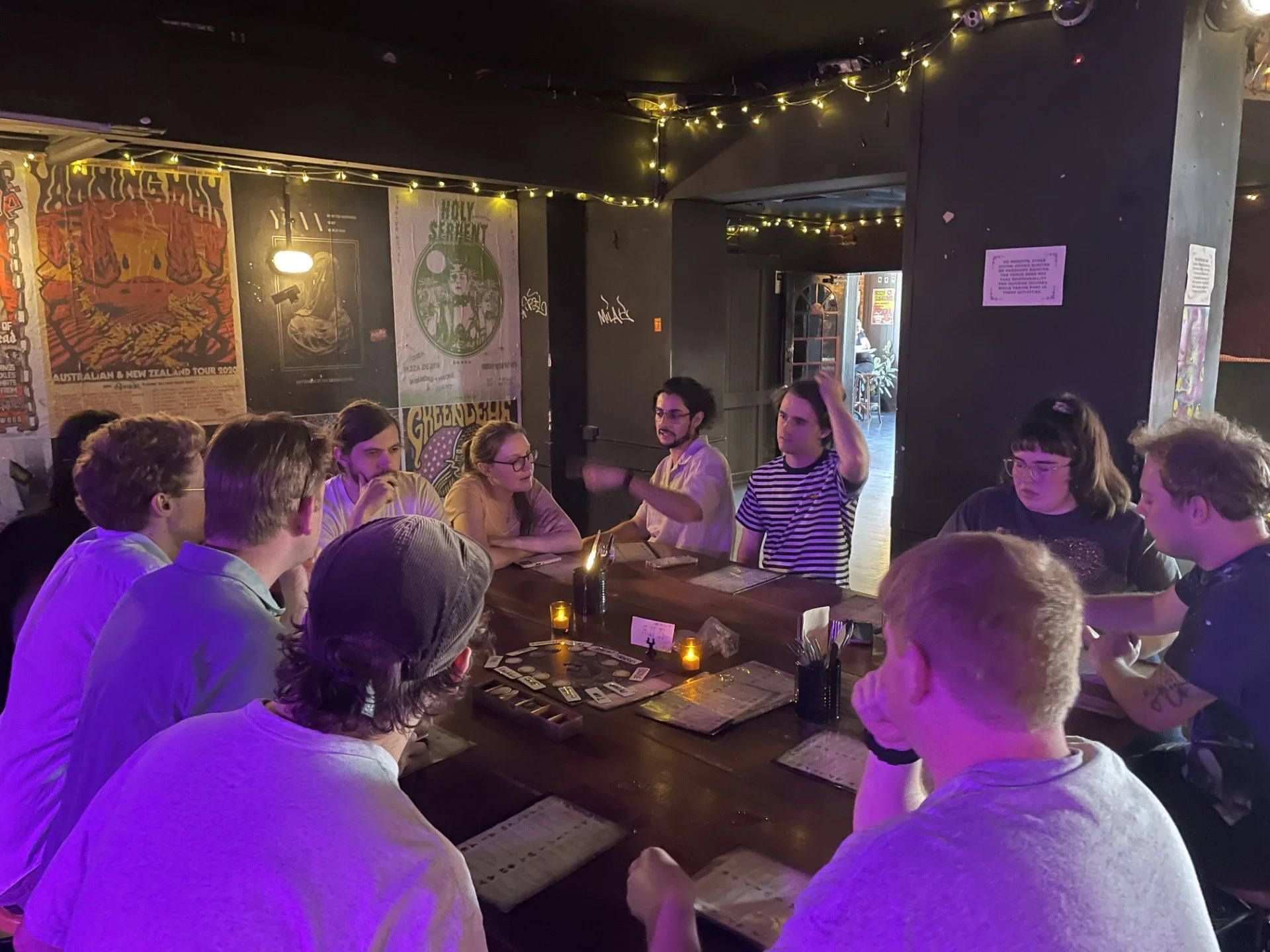
Team building. Two words that can make even the most enthusiastic employee quietly check their calendar for a conflict.
We've all been there. The ropes course. The awkward trust fall where someone drops you a little too enthusiastically. The afternoon of "ice breakers" that somehow makes everyone feel more frozen than before. It doesn't have to be this way.
Board games have quietly become one of the most effective, and genuinely enjoyable approaches to team building. Here's why they work so much better than the old-school alternatives.
1. They create connection without forcing it
The problem with most traditional team-building activities is that they're too obvious about their intent. Everyone knows they're being asked to bond, which immediately makes bonding feel contrived.
Board games sidestep this completely. When you're trying to figure out whether your colleague is bluffing in The Chameleon, or laughing because someone just made an unexpectedly brilliant move in Codenames, the connection happens as a byproduct.
Nobody's thinking "I am now building a relationship with this person." They're just having fun together which is exactly how real relationships form.
Psychologists call this the "incidental similarity effect." Shared experiences, especially playful ones, build trust far more naturally than structured exercises designed to manufacture it.
2. Every personality type gets to shine
Team building exercises run the risk of only engaging some of the team.
Consider the trust fall. Who thrives in that environment? Physically confident, extroverted people who are comfortable being the centre of attention.
What about your quieter, analytical team members? They often dread these activities, and dreading something together doesn't build the kind of team cohesion you're hoping for.
Board games are different because different games reward different strengths:
Strategy games (like Codenames or Blood on the Clocktower) reward your planners and analytical thinkers
Word and communication games (like Wavelength or Monikers) let creative thinkers shine
Cooperative games encourage everyone to be involved and can allow natural collaborators a place to lead
Lighter party games are perfect for being quick, fun and involving everyone as well as creating genuine shared experiences for the entire team.
A good host will match games to your group's energy and composition. Everyone gets a moment.
3. They reveal how people actually think and communicate
You can learn more about how a colleague operates in 45 minutes of playing Codenames or Monikers together than you do in three months of back-to-back meetings.
Do they make quick intuitive calls or deliberate carefully? Do they defer to others or advocate confidently for their ideas? How do they handle it when a plan falls apart?
These aren't artificial scenarios designed to test people. They're natural responses to real (if miniature) challenges and they're incredibly illuminating. Managers can gain genuine insight into their team members just from watching how they approach a game.
4. There's no performance anxiety
Trust falls, public speaking exercises, and icebreakers all share one uncomfortable quality: they put people on the spot. For employees who struggle with anxiety or simply aren't natural performers, these activities can feel genuinely stressful rather than fun.
Board games keep the stakes low and the pressure optional. If someone doesn't want to lead a round, they don't have to. If someone makes a mistake, it's just a game. Laughter is the natural response to getting something wrong not embarrassment.
This psychological safety is actually the thing that makes the team building effective. People open up more readily when they don't feel judged.
5. People actually look forward to them
This might sound like a small thing, but it isn't. An activity your team genuinely anticipates rather than dreads sets a completely different tone. It signals that the organisation values actual enjoyment not just going through the motions of a "team event."
The natural combination of a shared experience as well as healthy competition; either between each other or wanting to beat the game, has team looking forward to spending time together and working as a team. This kind of enthusiasm has a ripple effect on workplace culture that no trust fall has ever achieved.
Ready to give your team something better?
At The Travelling Game Café, we bring the whole experience directly to your office or other appropriate location - games, hosting, setup, and clean-up.
Whether you're after a one-hour lunchtime boost or a longer quarterly team day, we'll take care of everything.